Divorce solicitors
Helping you get a fair financial settlement and workable arrangements for your children.

The court has the power to intervene when a divorcing or separating couple disagrees on decisions about their children.
Our lawyers can make the application to court for you, often on an urgent basis, to make sure you retain control of the decisions that affect your children.
If you and your ex-partner have different views on your child’s upbringing or wellbeing, you can apply to the court for permission to take a certain course of action.
A specific issues order is a formal declaration that the parent is allowed to take a particular action that affects their child.
It might be a decision about:
If both parents (or people with parental responsibility) have strong, but opposing views on these decisions, then a court can resolve the dispute and grant one party the right to take action.
A prohibited steps order can stop your partner from making decisions about your children, such as:
Helping you get a fair financial settlement and workable arrangements for your children.
Untangle your shared finances and assets. Set yourself up for your next stage in life.
Some couples prefer to separate rather than get a divorce. We’ll explain the difference and guide you through the separation process.
The order will usually come to an end automatically when the child is 16. Sometimes it is extended until the child is 18.
Usually it’s one of the child’s parents who applies for the order, but it can be anyone with parental responsibility, or anybody named on an existing Child Arrangement Order.
Anyone without parental responsibility will need permission from the court before they apply for the order.
The court will decide how long the Prohibited Steps Order will remain in place, but it will usually end automatically when the child is 18.

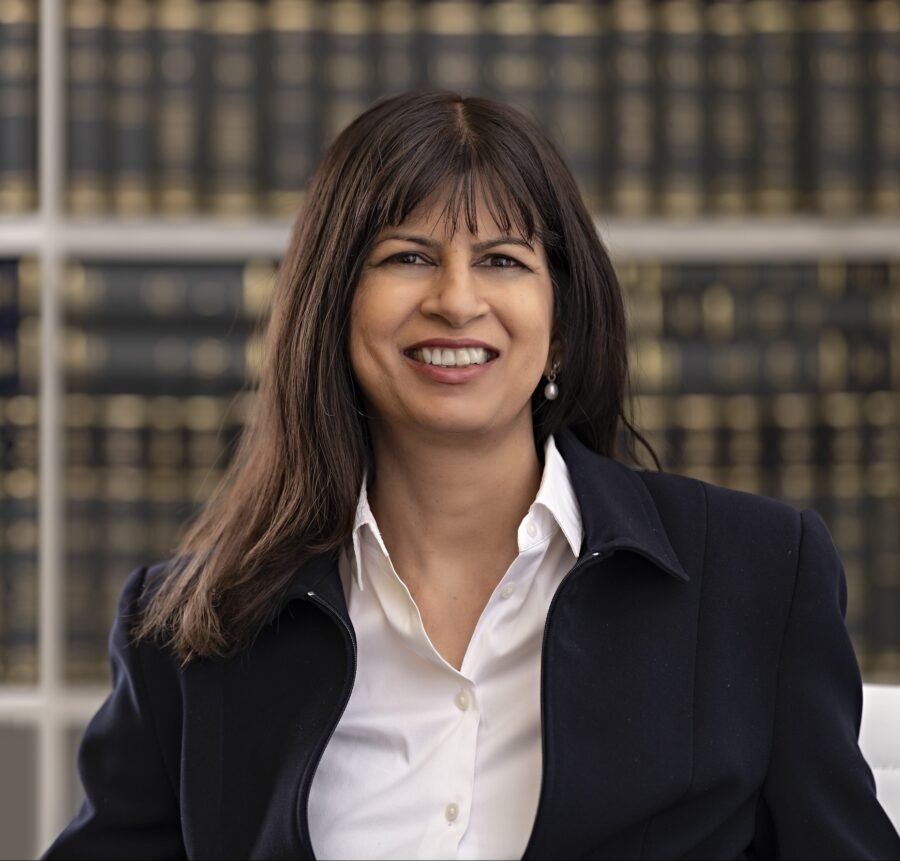
Partner & Co-Head of Family Law
Saika co-heads the Family Law department. With more than 25 years experience in representing spouses, cohabitees, parents and grandparents, Saika is able to quickly focus in on the core issues in any Family Law case.
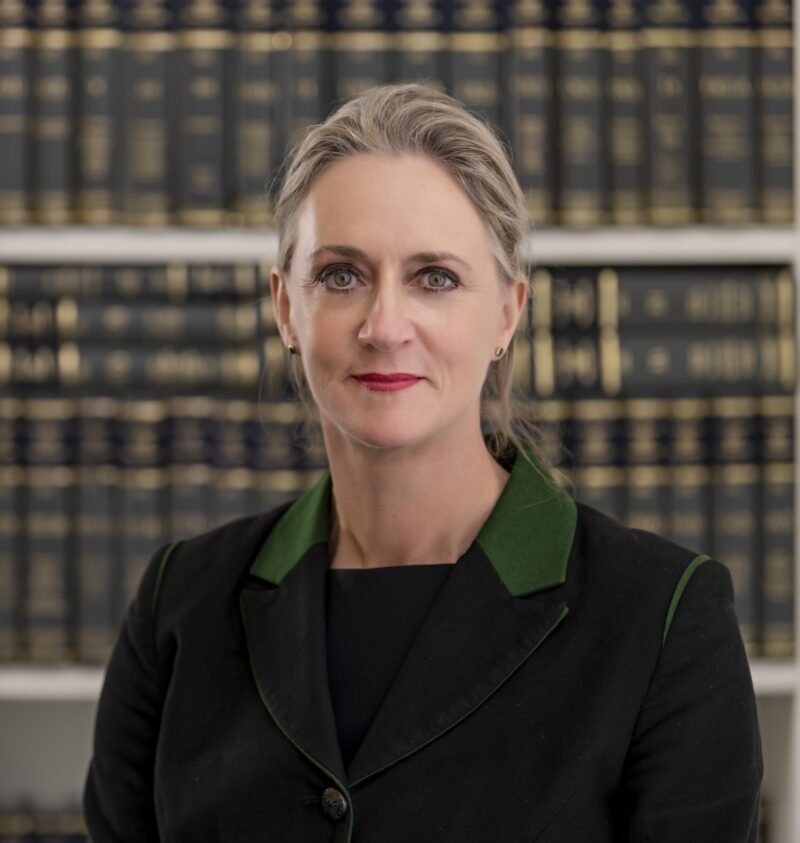
Partner - Family, Commercial & Technology
Robyn Allardice is a seasoned Family Lawyer and Mediator with extensive experience in the UK, international family law, and global cross-jurisdictional issues, as well as commercial & technology law.


Managing Partner and Head of Dispute Resolution
Hal is the managing partner and head of dispute resolution. He has a wide range of expertise gained from over 30 years of experience in numerous areas of practice, including commercial and general litigation, inheritance disputes, employment, family law and immigration.
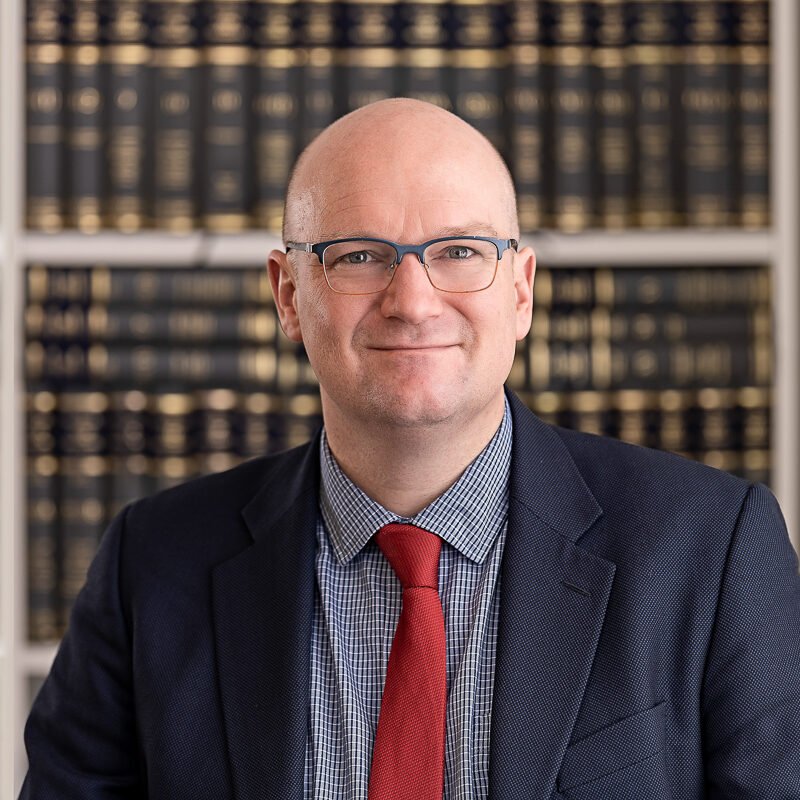
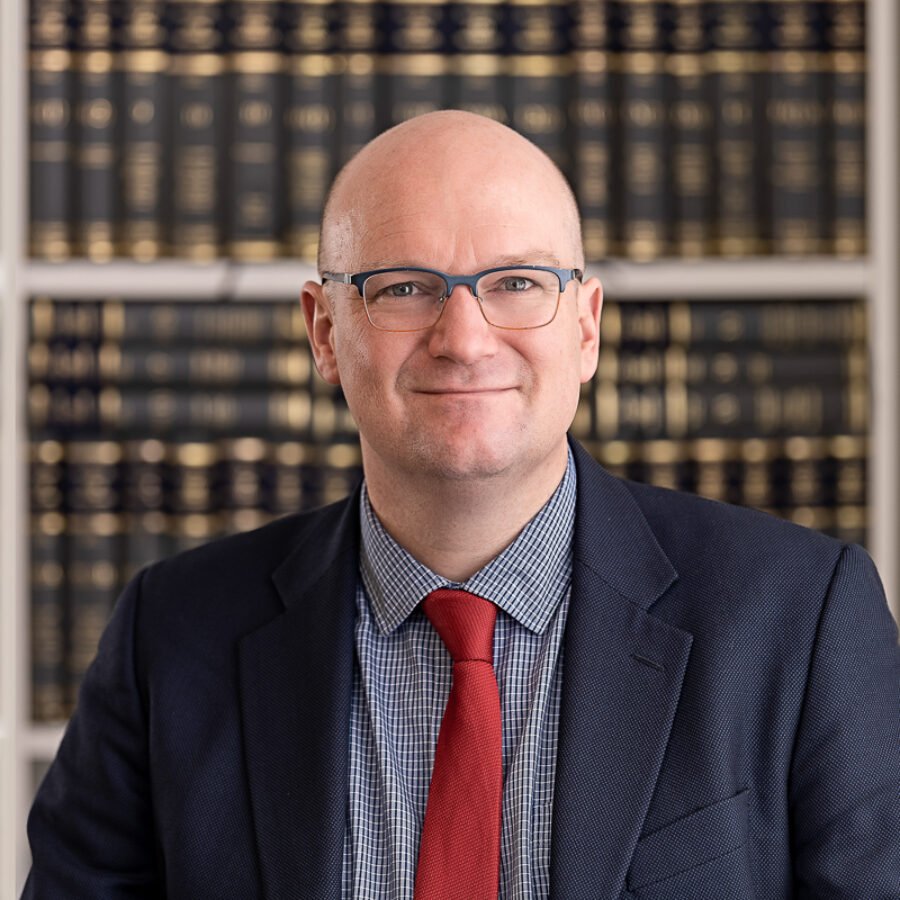
Partner - Family Law
Julius brings more than twenty-four years of legal experience to the firm’s Family Law Department. Julius qualified in 2004 and has a number of reported cases and particular expertise in international aspects of Family Law. Julius is also admitted in Queensland (albeit non-practising) and has had three reported cases in the last three years. He worked for over twenty years in his well-known and commended Family practice, Brookman, and has had four years experience working in boutique Legal District and City firms prior to joining the team at Branch Austin McCormick.


Partner - Family Law
Prior to joining Branch Austin McCormick in February 2023, Caroline was a partner in a Legal 500 family Law team in the city of London.
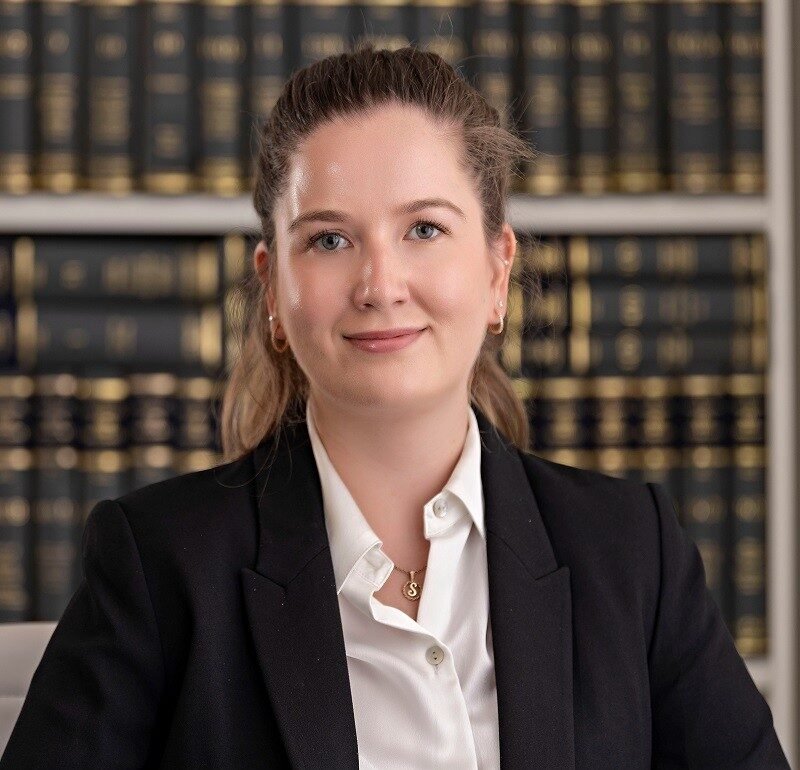
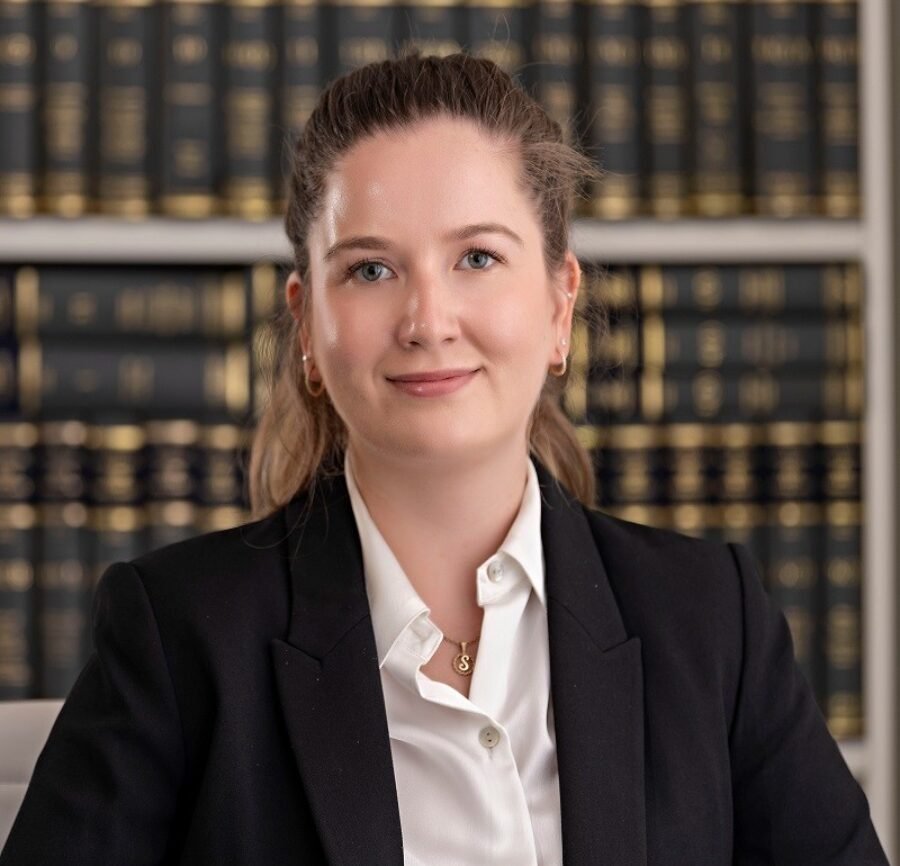
MCILEX Advanced Paralegal
Sophie is a paralegal providing legal and administrative support to the Dispute Resolution and Family Law team. She has recently qualified as an MCILEx Advanced Paralegal, and is now set to begin the CILEX Lawyer course.
Sophie won Best Newcomer/Young Practitioner at the CILEX National Paralegal Awards 2025.
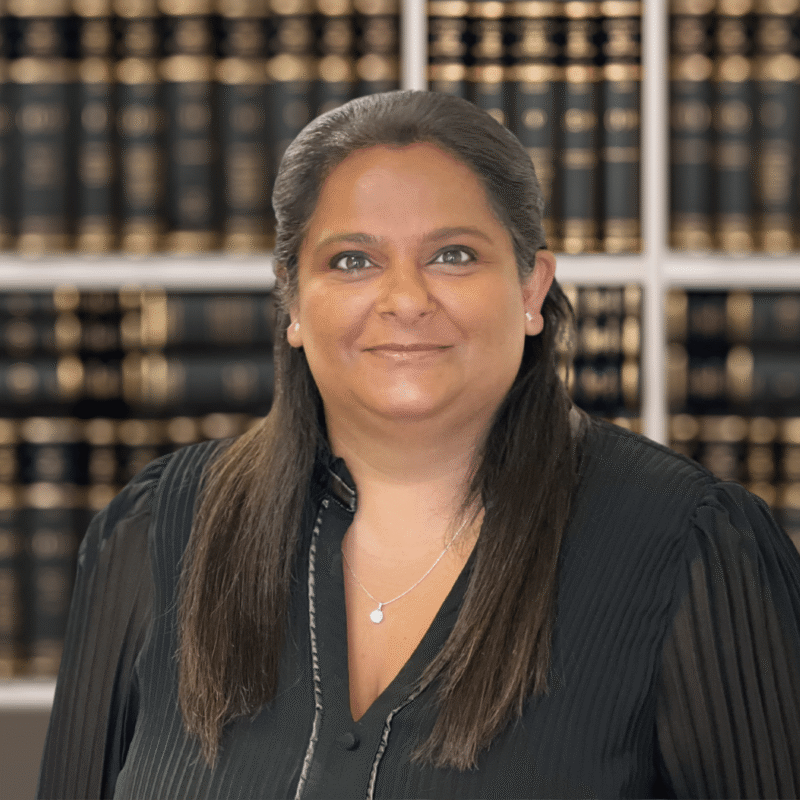
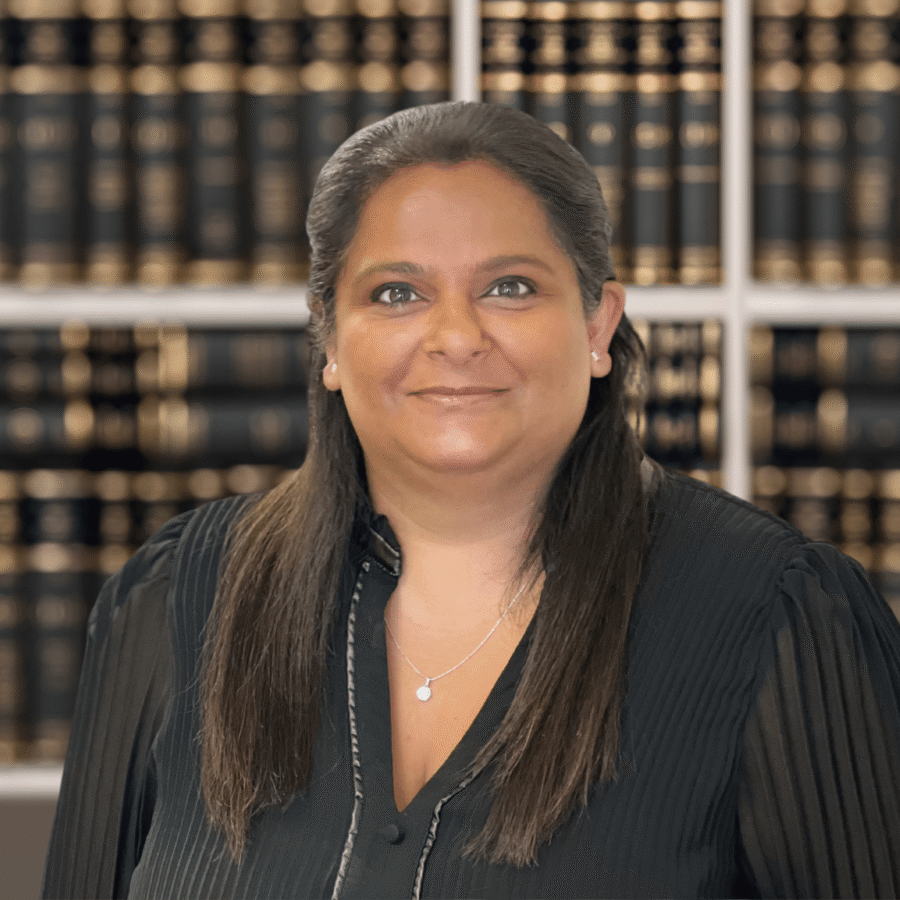
Partner - Family Law
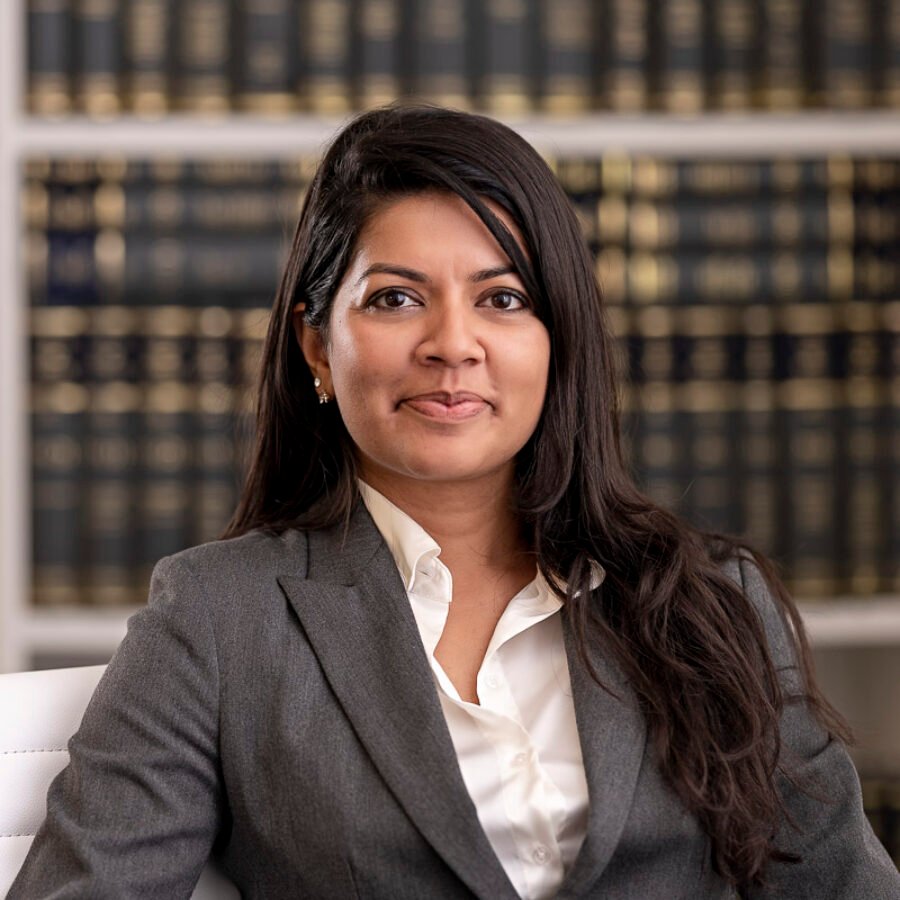
Mira Gohil-Patel joined the firm in March 2025 as a Partner in the Family team.
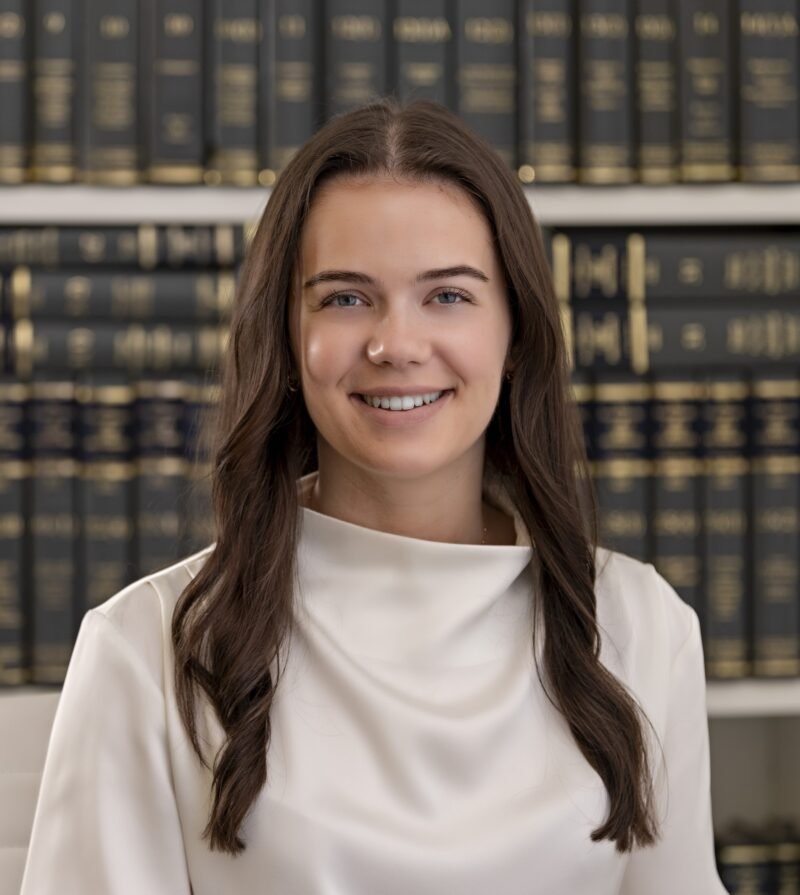
Associate - Employment and Disputes
Emily Iveson joined the firm in October 2023, starting her training contract in May 2024, working in the litigation, family and employment departments. Emily has now completed her training and qualified as a solicitor, working across the employment and disputes teams.
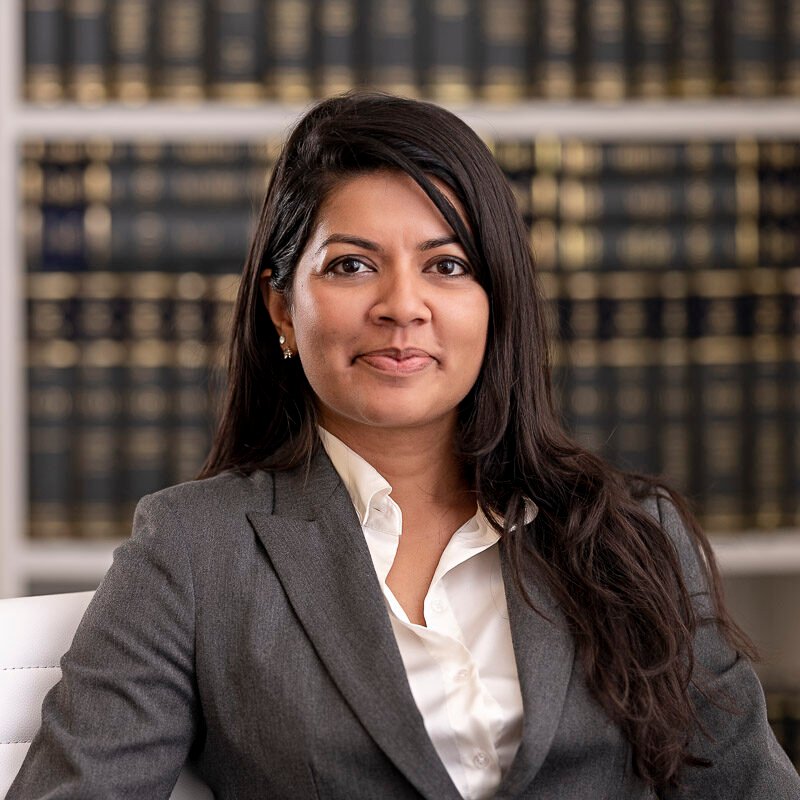
Consultant – Dispute Resolution, Employment & Family Law
Nadia’s practice represents a broad cross-section of the kind of legal services that most businesses and individuals typically need, regardless of industry sector or client profile, with a particular focus on dispute resolution.


Senior Associate - Family Law
Gorkem is a Senior Associate in the Family department advising on all aspects of family law, including, divorce and dissolution of civil partnership, financial remedy proceedings, arrangements for children, pre- and post-nuptial agreements, cohabitation and separation agreements.
Partner & Co-Head of Family Law
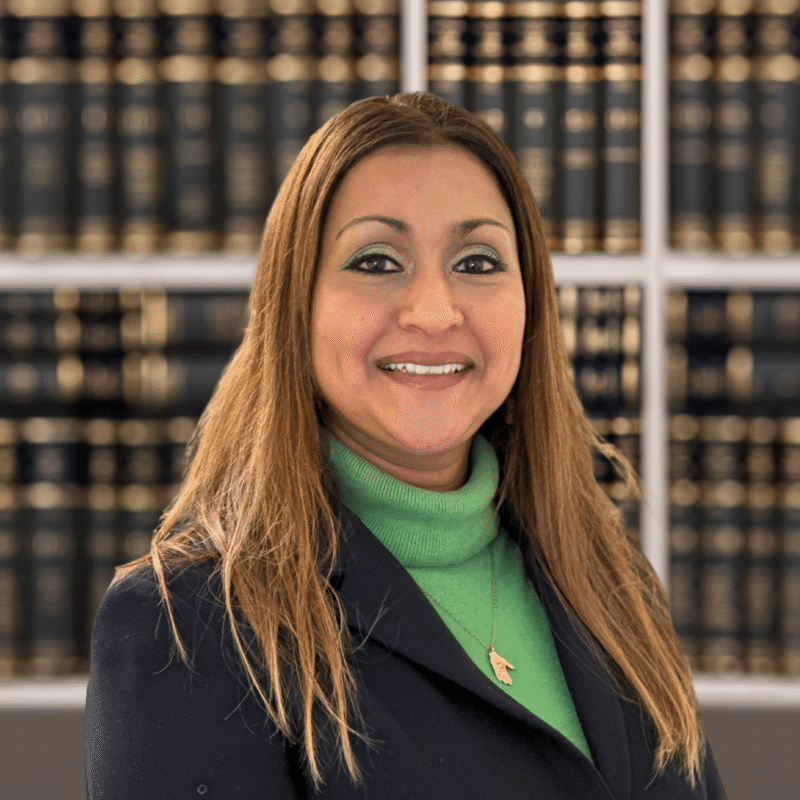
Keshini is a Partner and Co-Head of the Family Department who has over 25 years of experience in family law and has cultivated a reputation based on her compassionate, integrative and insightful approach with clients and her savvy, ‘no-nonsense’ manner with difficult opponents.


Senior Associate - Dispute Resolution, Family Law and Private Client
Aida graduated with a Masters degree at the Faculty of Law in Vytautas Magnus University, Kaunas, Lithuania and undertook her Law Society Graduate Diploma in law followed by the Law Society Legal Practice Course at the College of Law, Bloomsbury, qualifying as a solicitor in October 2012.
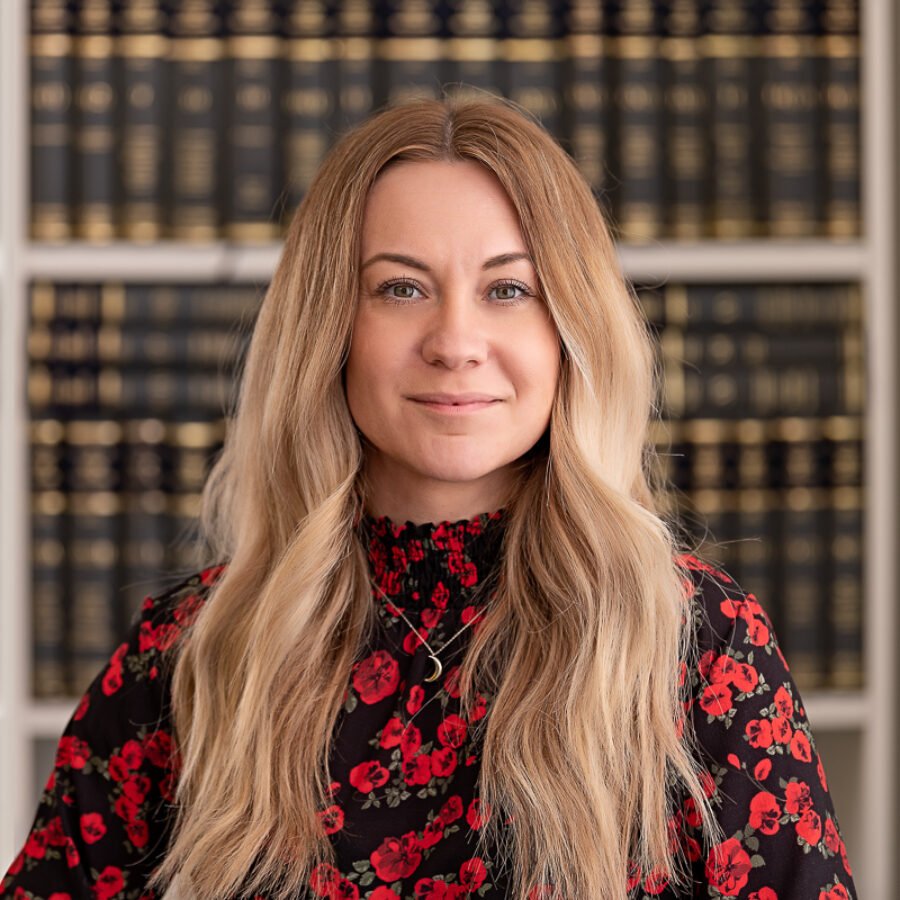
Paralegal - Family Law
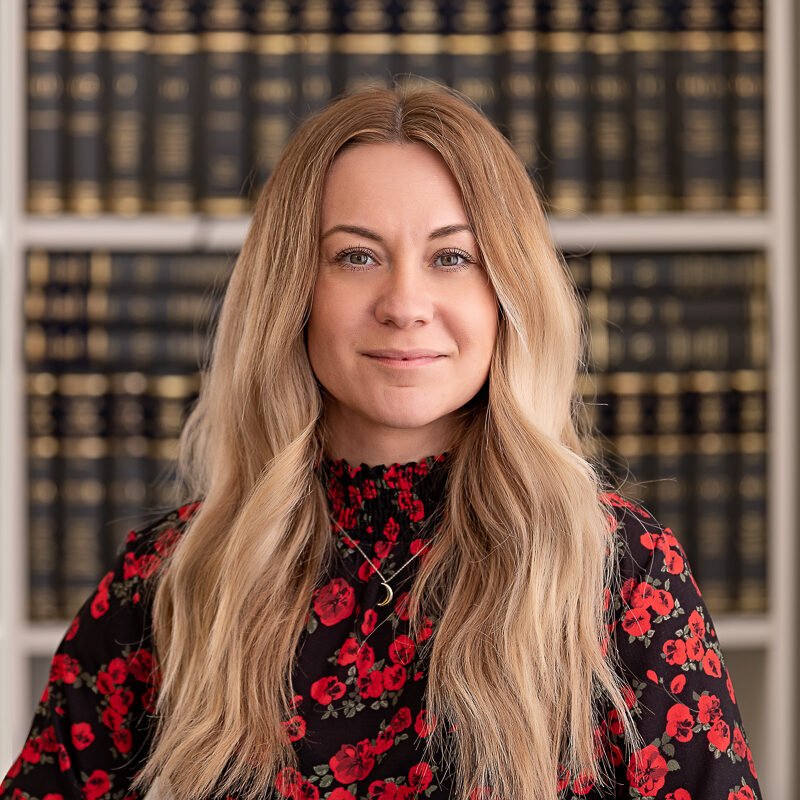
Caroline is a paralegal specialising in family law. She is currently working towards her CILEX paralegal qualification.
She supports our family lawyers with all aspects of their cases and she has experience in dealing with divorces, financial provision and Children Act proceedings.
Speak to our team of family lawyers.
We’re here to talk you through your options and protect you and your family.